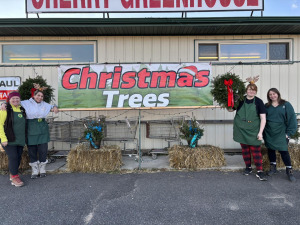
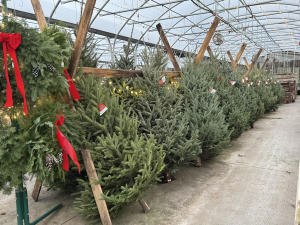
Cherry Greenhouse is your go-to spot for fresh Christmas Trees! Let’s deck the halls and brighten your Iron Range home!
From a stunning selection of Christmas trees to gorgeous holiday plants, the magic of the season has officially arrived at Cherry Greenhouse in Chisholm.
Their new Christmas cacti are showing their first pops of color, and fresh poinsettias have just landed — bold reds, soft pinks, and all the cozy Christmas vibes. Swing in, pick your favorites, and bring home a little holiday cheer this weekend!
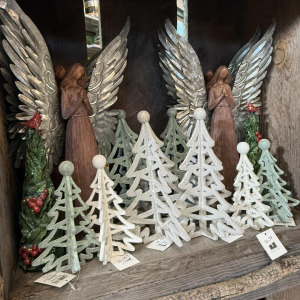
They’re also crafting beautiful Christmas arrangements and wreaths for our Iron Range community. And yes — gnomes and angels for your porch will be making their return this season, too!
Get first dibs on everything at the year-round Chisholm Cherry Greenhouse location. Follow them on Facebook to keep an eye out for holiday specials and favorites!
Seasonal Hours:
• Monday–Tuesday: 8:30–5
• Wednesday–Friday: 8:30–6
• Saturday–Sunday: 10–5
Christmas Tree Facts
1. Origins & History
-
The modern Christmas tree tradition originated in 16th-century Germany, where devout Christians brought decorated trees into their homes.
-
The custom spread across Europe and to America in the 18th and 19th centuries, popularized in the U.S. by German settlers.
2. Types of Trees
-
Popular Christmas tree species include Fraser Fir, Balsam Fir, Douglas Fir, Scotch Pine, and Blue Spruce.
-
Each type has its own qualities:
-
Fraser Fir: Long-lasting, strong branches, pleasant fragrance.
-
Douglas Fir: Soft needles, good for heavier ornaments.
-
Balsam Fir: Dark green, aromatic, widely available in the Northeast U.S.
-
3. Real vs. Artificial
-
About 25–30 million real Christmas trees are sold annually in the U.S., while artificial trees are increasingly popular.
-
Real trees are renewable and biodegradable, often recycled into mulch after the holidays.
4. Tree Size & Growth
-
Most Christmas trees sold are 6–7 feet tall, grown over 7–10 years on farms.
-
The tallest cut Christmas tree recorded was 221 feet tall in Seattle, Washington (1950).
5. Environmental Facts
-
Christmas tree farms provide habitat for wildlife and help absorb CO₂ during growth.
-
Cutting a real tree does not contribute to deforestation, as most trees are specifically grown for holiday use.
6. Fun Traditions
-
In the U.S., the National Christmas Tree Lighting in Washington, D.C., has been an annual tradition since 1923.
-
Some families decorate trees with unique heirloom ornaments or handmade decorations that reflect personal or cultural history.
7. Record Holders
-
The largest cut Christmas tree in the U.S. was 221 feet tall.
-
The world’s most expensive Christmas tree (as of recent reports) was decorated with diamonds, sapphires, and other gemstones, valued at over $11 million.
8. Interesting Trivia
-
The first artificial Christmas trees were made in Germany in the 19th century, often from goose feathers dyed green.
-
In Japan, fiber optic artificial trees and even illuminated bonsai-style trees are popular adaptations of the tradition.
-
Real trees are often fragrant due to oils in the needles, which can create a “holiday scent” in homes.